Photo Jottings - Page 19 of 127 - Photography equipment expertise

Interested in turning your high quality medium format camera into a cheap 35mm? well, plop a roll of this film into your camera and get some cool low-def images!  However, this E-6 color reversal film does have some redeeming qualities for those looking for more than resolution.

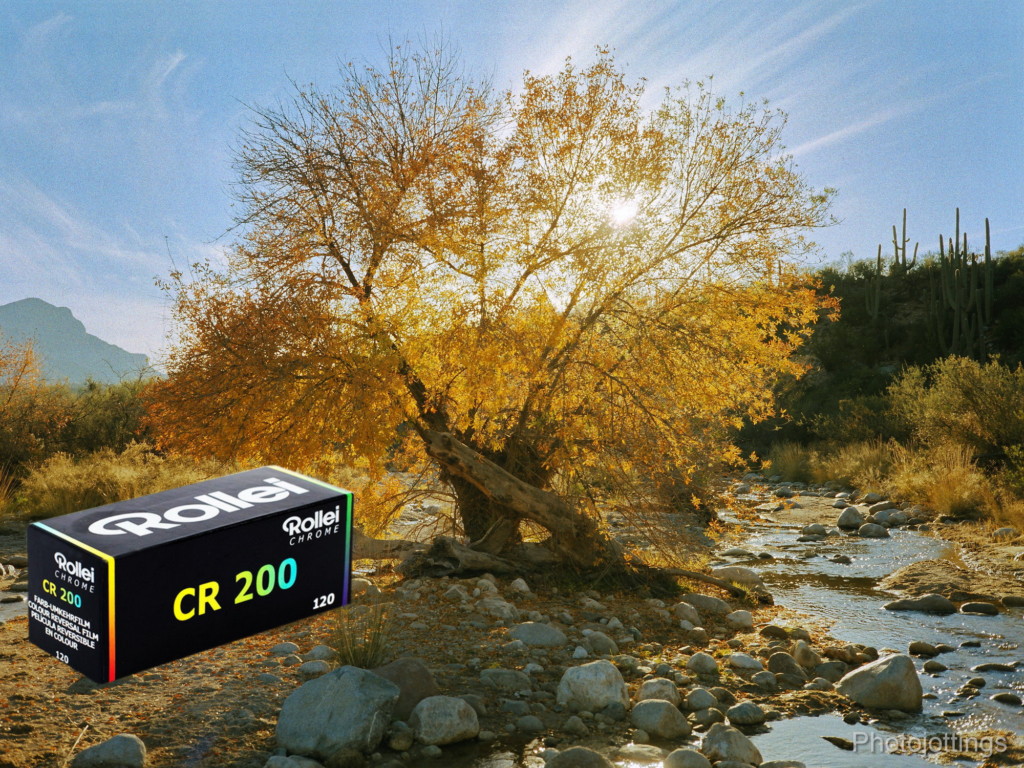
Rollei Digibase CR 200 (B&H, eBay) is a color reversal (E-6 developing) or ‘slide film’ in hobbyist terms.  Characteristics include a warm look, which is very noticeable after using Fuji E-6 film like Velvia and provia;  a wide dynamic range, almost like print film believe it or not, and a final plus; it’s pretty easy to scan as the film has almost no curl.

I like the warm look; again, it’s a welcome change from the bluish Fuji films, although it’s a far cry from Kodachrome as some people compare it to.  Also noticeable is the neutral fine grain which is acceptable in my opinion, but only when exposing properly, highlight/shadow fixes in post can degrade even-toned areas in the picture; see the sky in the ‘tree’ shot below.

I only ran one roll of this through my Fuji GS645S, which is a medium format 120 roll film camera with a wide angle 60mm F/4 lens, so this isn’t a review, I just wanted to post some samples in case you were wondering how it looks with that size of film; I’ve only seen 35mm samples from my quick web searches.  I’m guessing I could get a sharp 8×10 with a medium format camera, unfortunately, I’m also guessing 35mm film might not produce enough sharp detail for a good 5×7 print.

For those looking for a more traditional high ISO rated color reversal film, I’d recommend Fuji Provia 400X, unfortunately, it’s being discontinued in 2017, and prices are sky high.

Below are four samples of Rollei Digibase CR 200 color transparency film, plus a Provia 100F sample using the same camera.


Click yellow tabs Below to see larger versions.  All are 3000 pixels wide, there is no resolution advantage from scanning at a higher sample rate.

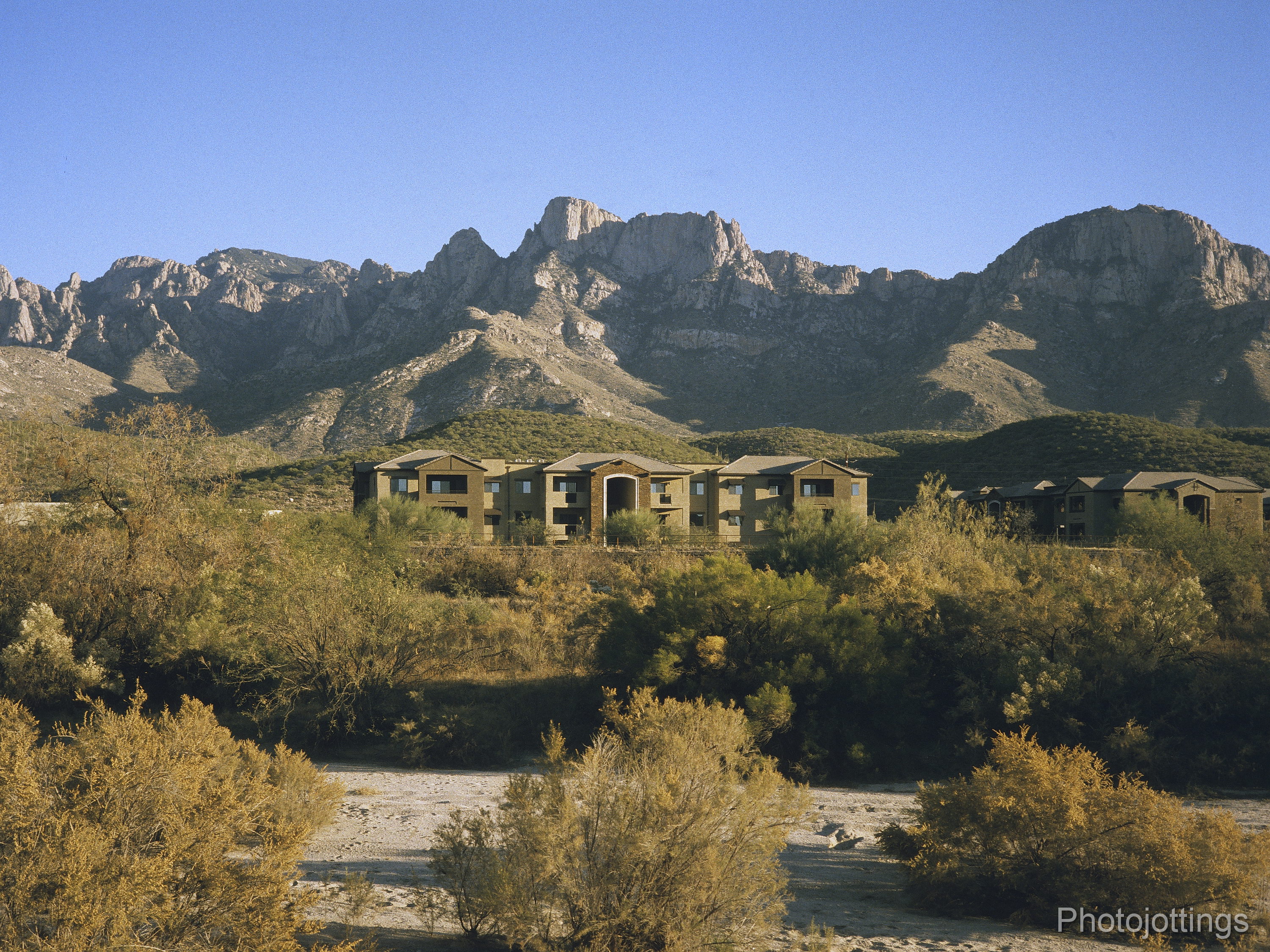
Apartments Apartments, probably around F/11, 1/125 sec.

Creek bed Weak fall color, F/8, 1/125 sec.

Saguaro Saguaro cacti, around F/16, 1/50 sec.

Tree  Overexposed by about a stop, but the sky still has color and detail after a little post processing; maybe F/8, 1/125 sec.

Trails This is a sample of Fuji Provia 100F, I downsized it to 3000 pixels wide to match the Rollei samples, but it will show much more detail at larger sizes. Notice the color and grain differences. F/11, 1/125 sec.

That’s it, thanks for visiting!

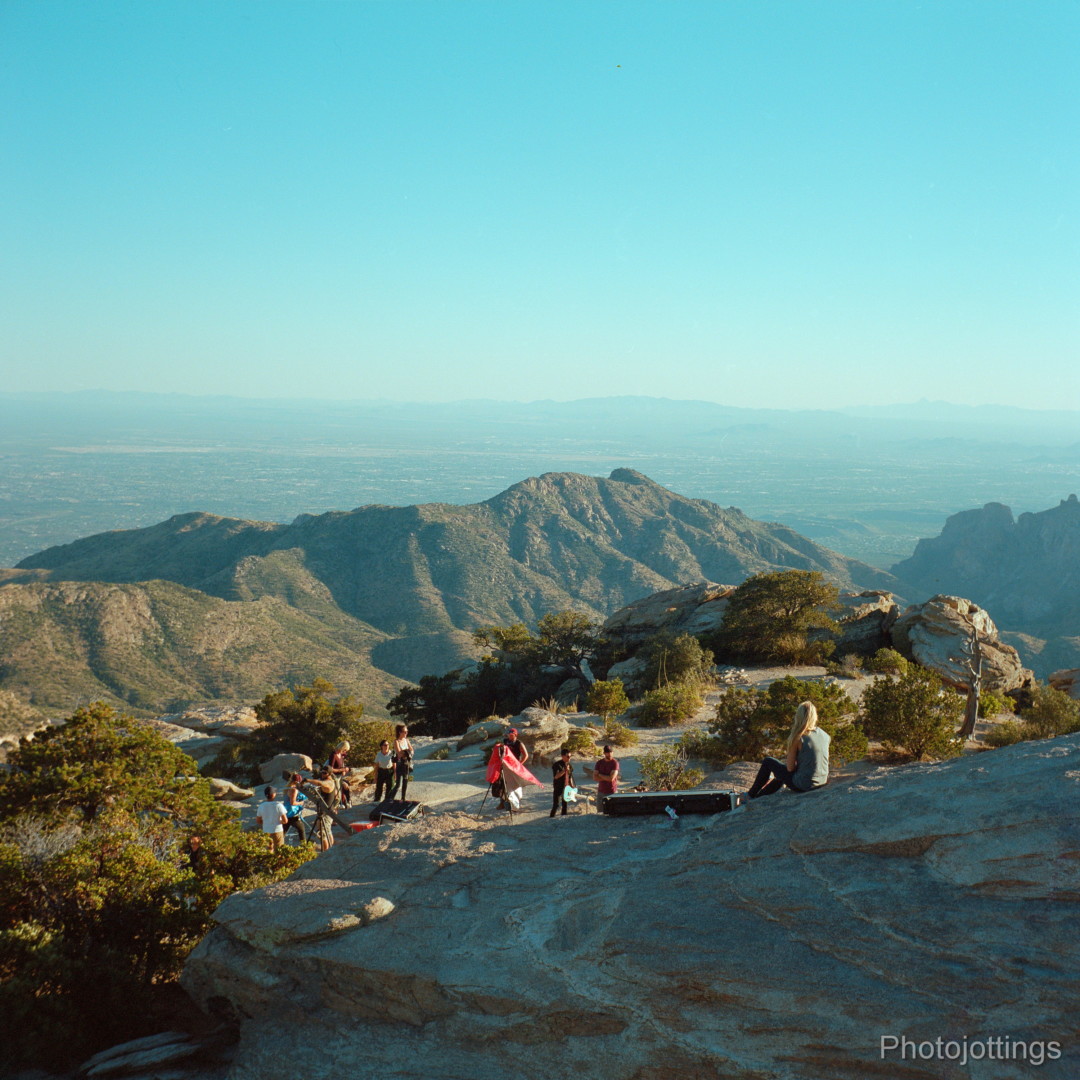
Windy Point, Mt Lemmon, AZ. Randy Houser music video shoot, song we went.

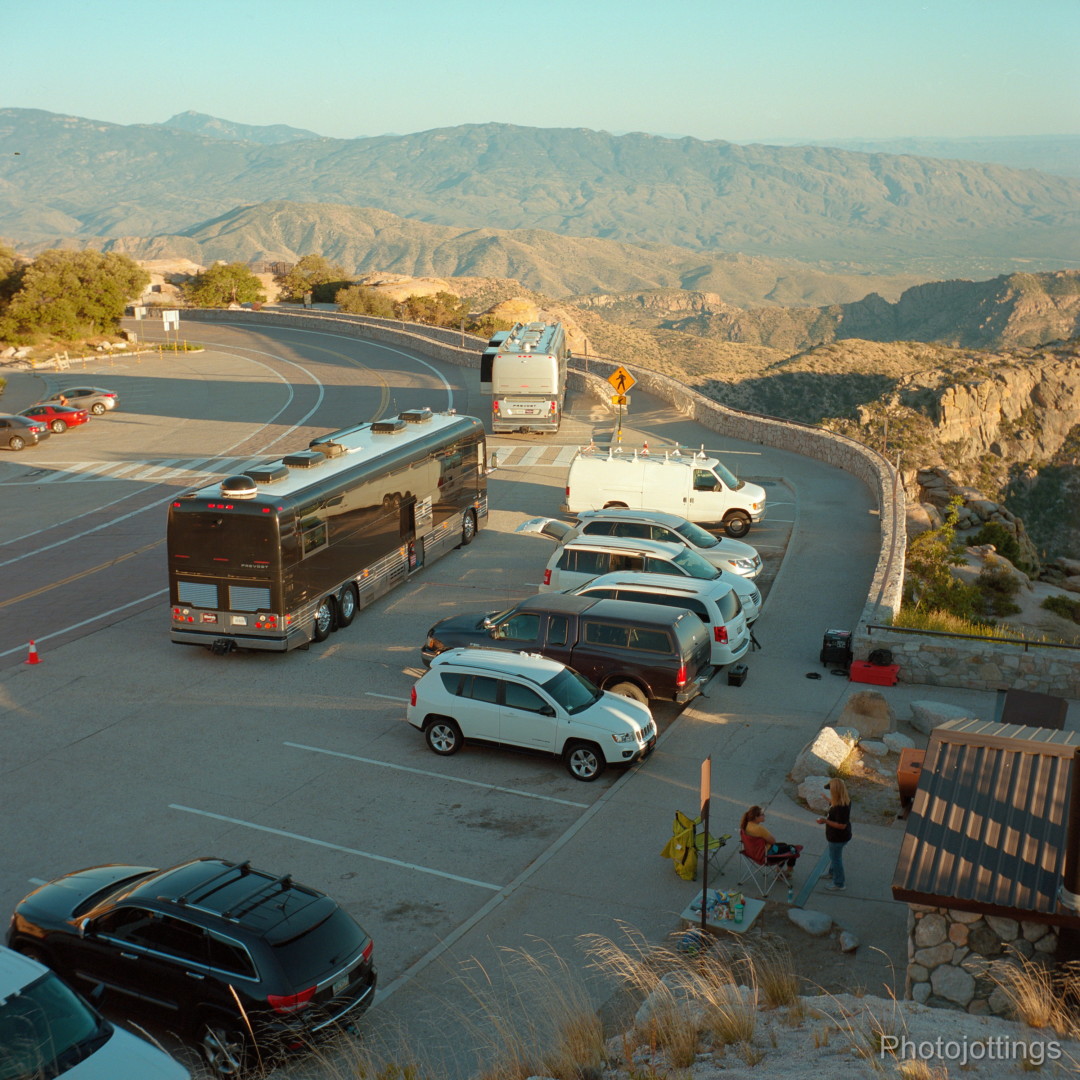
So I spent the day hiking in the nearby mountains; and got in a little picture taking along the way.  I usually bring along a folding 120 camera, this time it was the Ziess Ikon Ikonta, a cheap 6×6 that my dad bought brand new in 1953.  I’m driving down the mountain heading home when I see all these cars and huge buses parked at a pull out called windy point.  It’s here I usually stop and take some late afternoon and sunset pictures before it gets dark, and where this comparison was made.  This time it’s definitely packed with cars and people, plus some portable generators running and what sounds like some huge speakers blasting music on the west edge of the cliff.

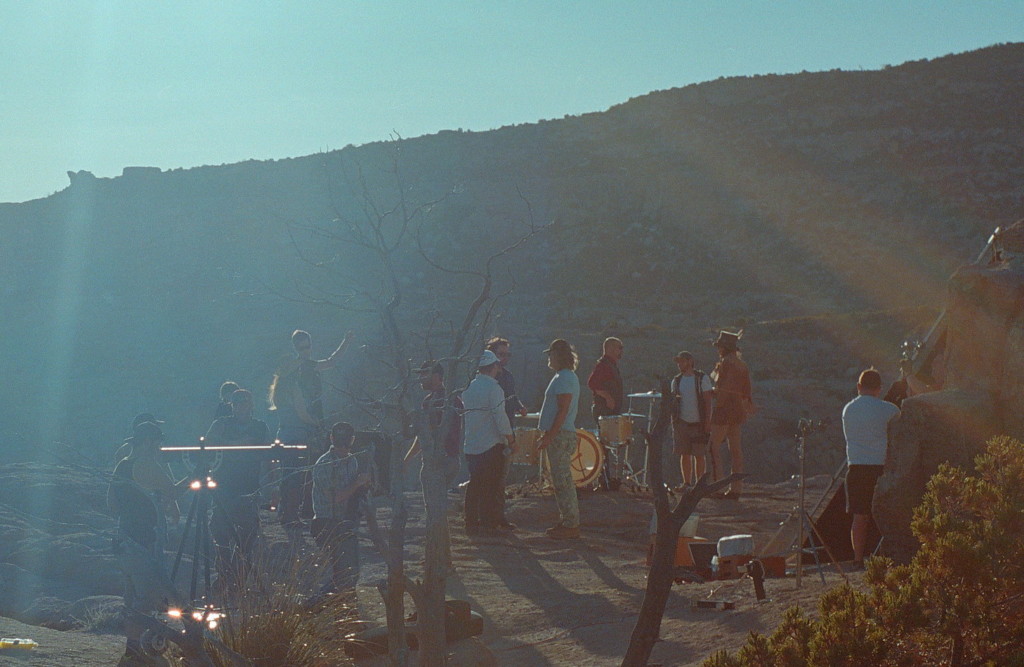
Apparently I was about the only one there that wasn’t’ associated with the video shoot, so I just walked around a bit and decided to take a couple of snaps with my phone, however, before I could do that,  the Forest Ranger in charge of the event did not like what I was doing and told me to go back and stand behind a ‘rock’ over there as she pointed her finger to the east, (not to be confused with ‘go crawl under a rock’) and that I was not allowed to take pictures and video period!  At that point, I whipped out my 60 year old film camera and explained the device wasn’t able to take video, or upload to social networking sites; at which point she turns around and walks away…  So I moseyed around the perimeter taking a few snaps here and there while being sure not to disturb the production.  The picture gallery shows some decent shots of the Randy Houser band. Randy shows up in the washed out shot with the sun in it.

I had a random chat with one of the production people or band assistants and it was then I learned it was Country Music artist Randy Houser; until that point I had never heard of him.  Here’s a link to the video shoot; the song was called ‘We went‘ and it was being played over and over again as they faked playing their instruments, check out the guy smoking a pipe, and wearing a feather in a top hat.  I actually like the song and video, although the plot seems a bit dubious.  This video shoot took place on June 2nd, 2015 at ‘Windy Point’ in the Santa Catalina Mountains (part of the Coronado Nat’l forest) near Tucson AZ.

Finally, they fired up a drone for some nice late afternoon overhead shots, and the Ranger tells me to leave the area so I don’t show up in the video; but that’s ok as I only had seven shots left of film when I arrived, and now I’ve run out.

I think a lot of people are really ignorant when it comes to film, that’s probably why they let me walk around and take pictures, I guess they were thinking the quality will be so bad that you won’t have enough resolution to identify band members etc.  And another good reason to take a film camera with you on hikes and vacations, you just never know!

Below are some rather unremarkable samples from a cheap folder with a sticky shutter, (since repaired to factory specs) most were taken with Kodak Portra 400 film B&H photo, Amazon, eBay.


  • F/16, 1/100 sec
  • F/16, 1/100 sec
  • F/16, 1/200 sec
  • F/16, 1/100 sec
  • F/8, 1/100 sec
  • F/11, 1/100 sec, Fuji Provia 100
  • F/14, 1/100 sec


Click yellow tabs Below to see larger versions. Film is mostly Kodak Portra 400.

Above one General scene from above, F/16, 1/100 sec.

Rocks and People Some band members and production people, F/16/ 1/100 sec.

Direct Sun Getting ready for rehearsal; under exposed shot here, F/16, 1/200 sec.

Above two  Another general scene from rocks above, F/16, 1/100 sec.

Above three Location overview, F/8, 1/100 sec.

Feather in cap  Steel Guitar guy near precipice, Fuji Provia 100, F/11, 1/100 sec.

Staging area  Where they parked the rigs, F/14, 1/100 sec.

That’s it, thanks for visiting!

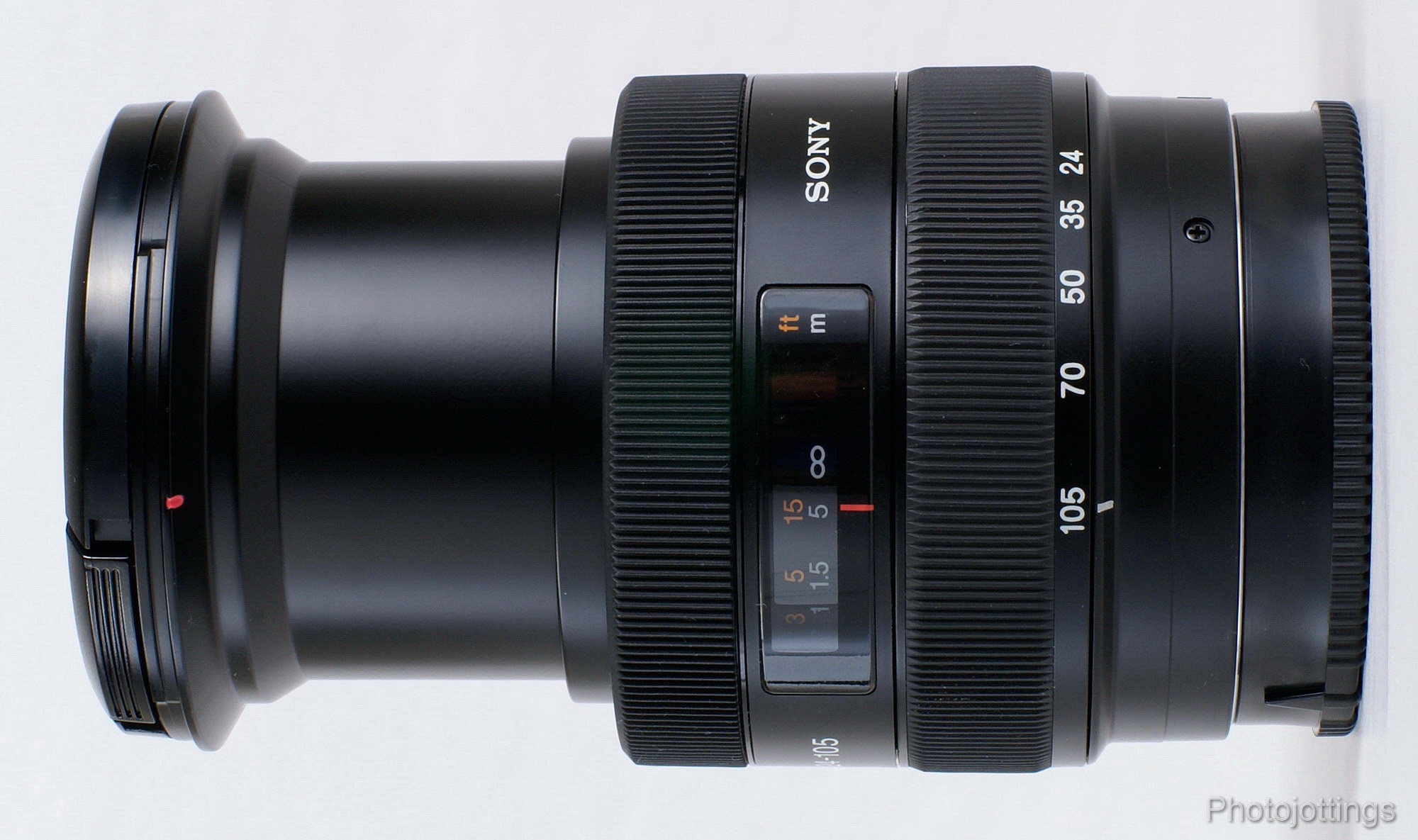
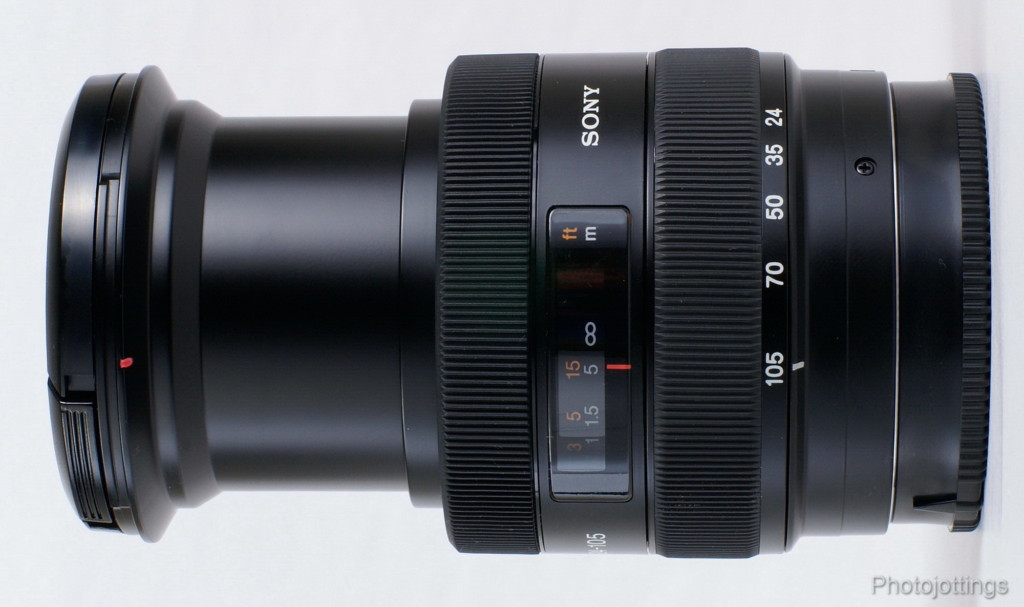
With the introduction of the Sony FE 24-105/4 lens, I was reminded that this is the second wide to medium zoom of that focal range for Sony; although the new one gets a new ‘FE’ mount, a constant F/4 aperture and OSS.  It also gets a hefty price tag of $1300!!

Our second re-visited and revised lens review is the ‘a’ mount oldie but goodie Minolta/Sony AF 24-105mm F/3.5-4.5 lens, (introduced in about 1999-2000), later to be relabeled ‘Sony’ in 2006, and discontinued in about 2008/9.  Current value on eBay seems to be $100-200 depending on condition, that’s about a tenth of the price of the new lens.

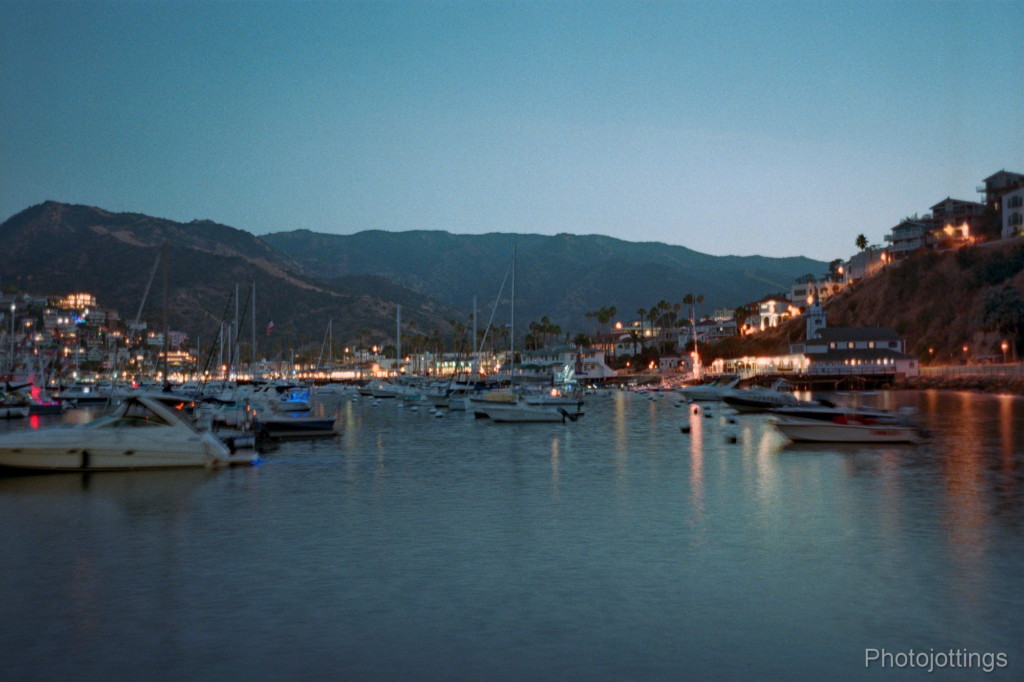
The older Minolta/Sony 24-105mm F/3.5-4.5 worked very well back in the early days of digital, even though it was designed as a film lens; I used mine on the Sony A900 for several years as an everyday walk around lens, and still enjoy many of the pictures I took.  Unfortunately, I don’t have the original test pictures from the review to show, however, I did come up with a selection from different focal lengths and apertures to give you a good idea about how it performs on a 24mp camera.

I’m not sure if the auto lens corrections on newer Sony camera bodies supports this lens; if so, most of the issues in the review like color fringing, distortion and light fall-off will be greatly diminished.

In the gallery are 12 full size images for you to check out, each 6048×4032.  These were taken in Jpeg format, so no RAW files or conversions here.  Most of the images are pretty sharp, even using a wide aperture, however, it looks like F/11 results in maximum resolution for landscape type shots. I do see some soft edges on the right side of my particular sample, (mostly noticeable with a wide aperture), I’m not sure if there are variations in sample quality or not, I only had one that I purchased on eBay.


  • Rock Harbor 50mm F/8
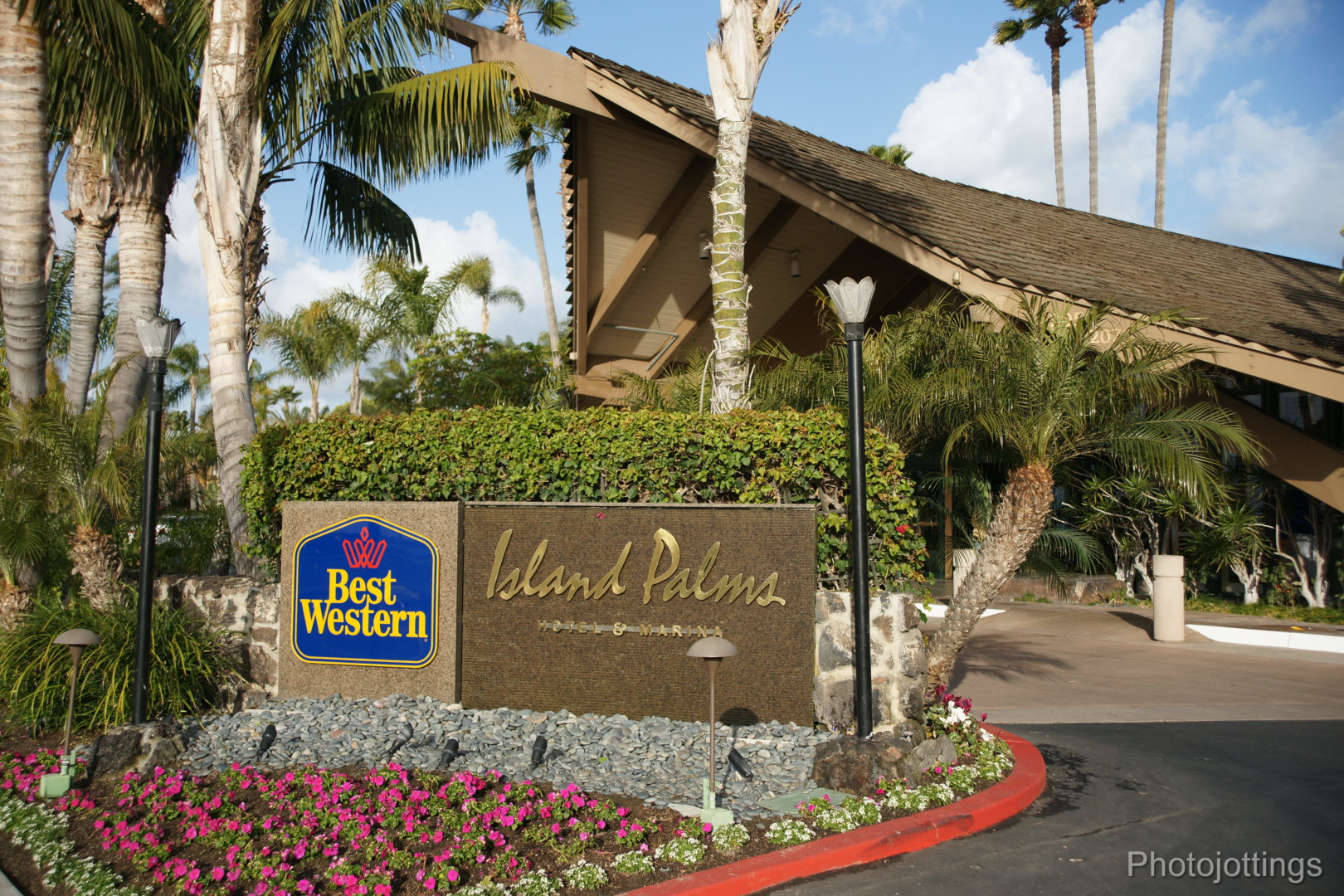
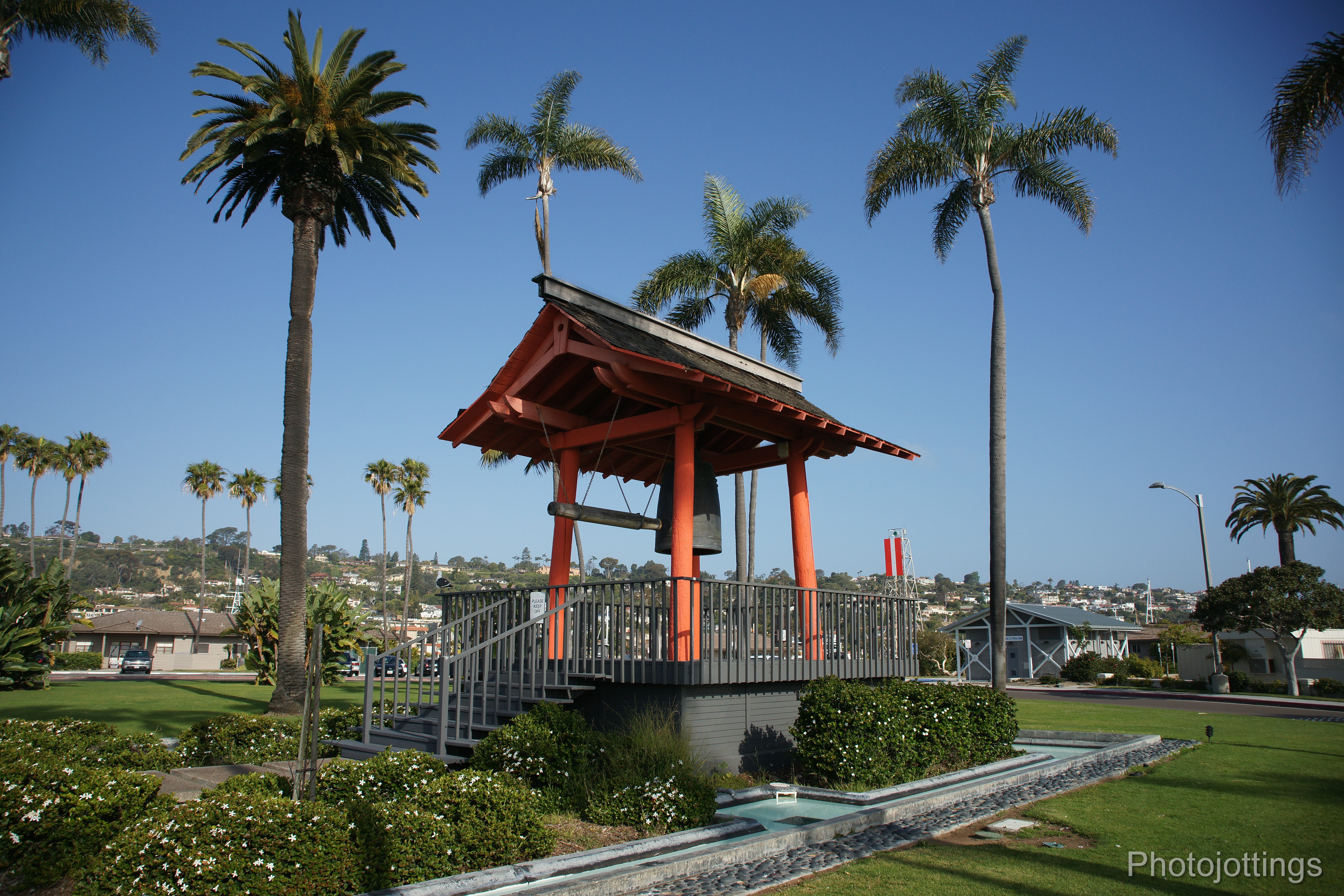
  • Island Palms 35mm F/4.5
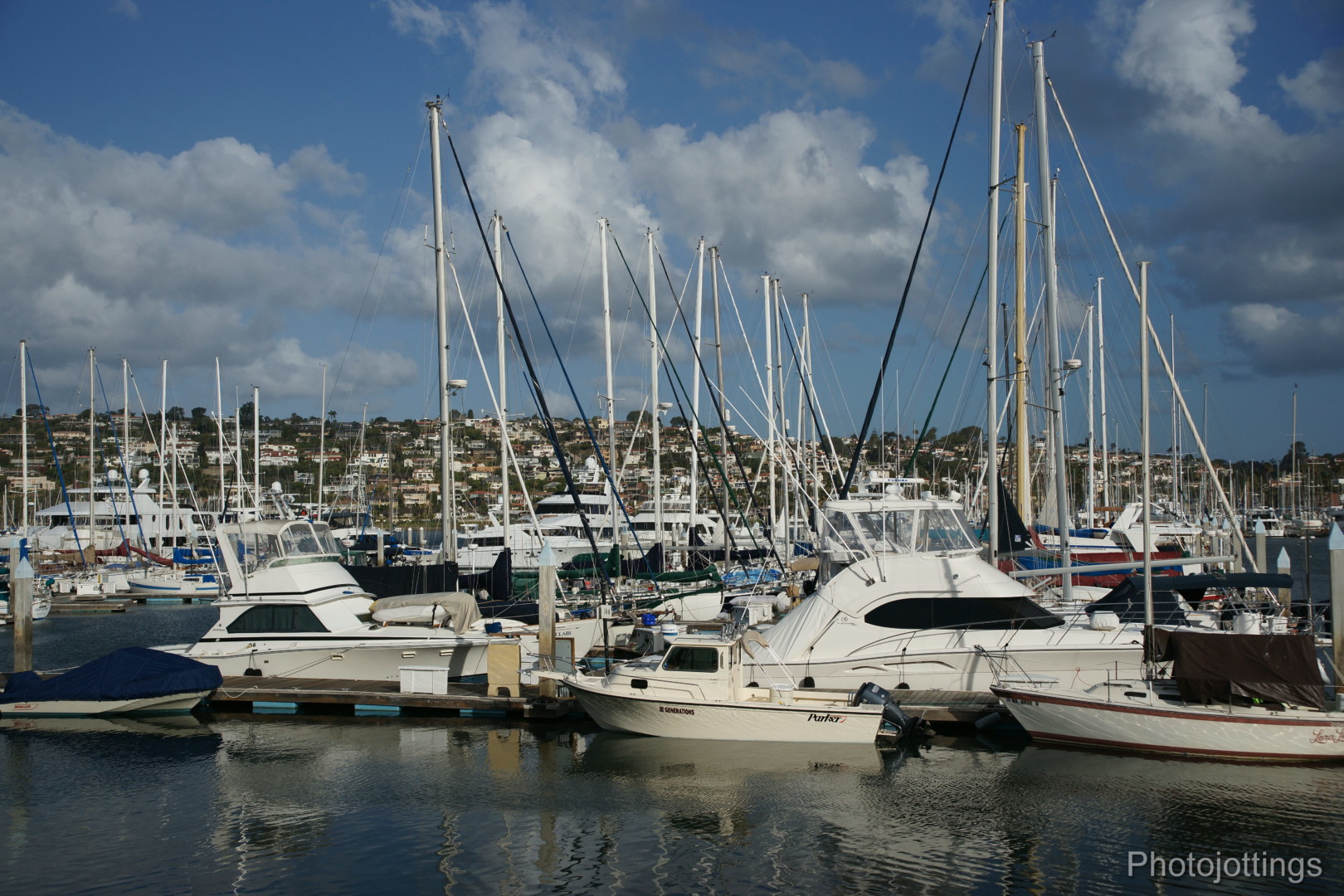
  • Boats 40mm F/8
  • Bay Club 24mm F/3.5
  • Sea Wall 105 F/8
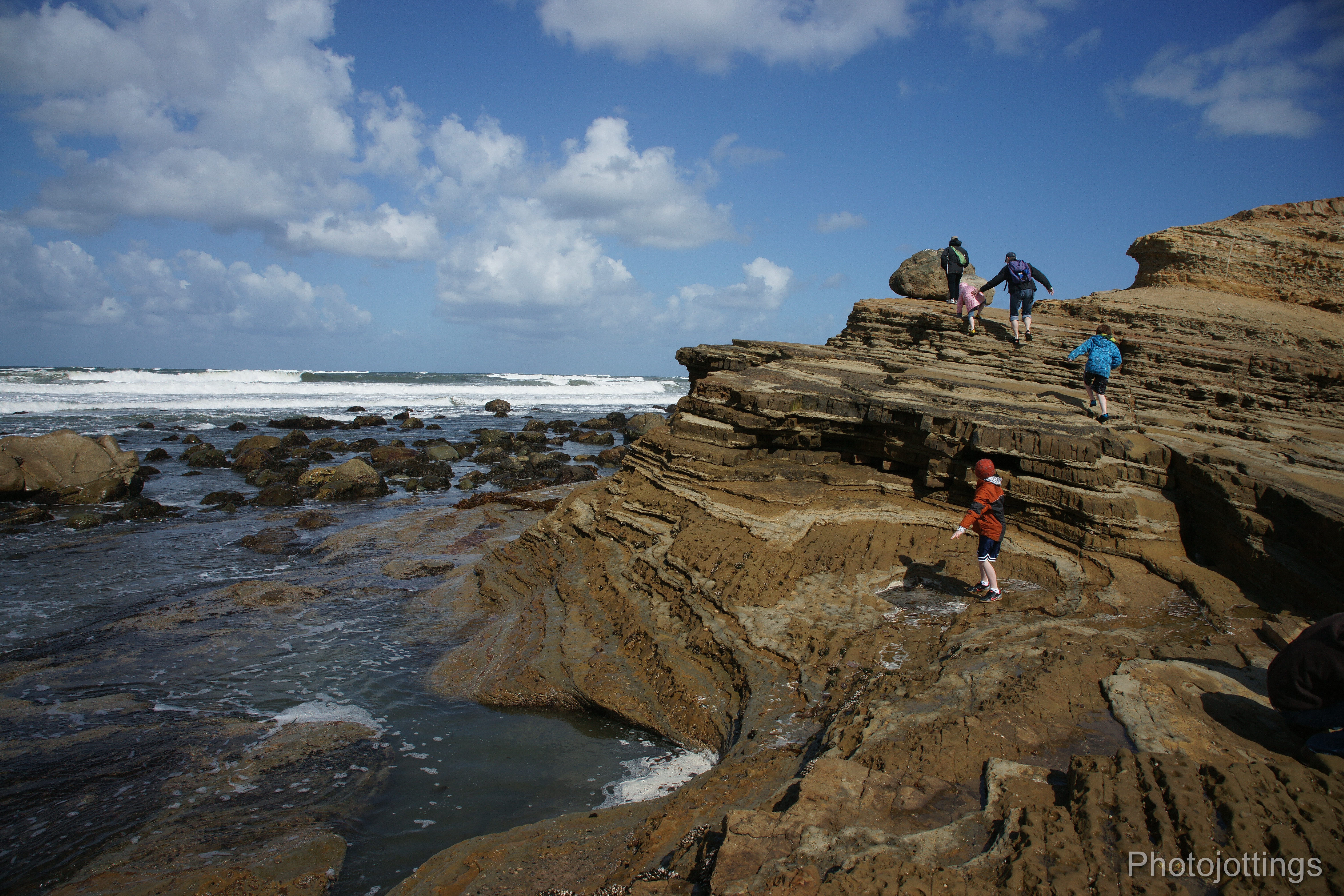
  • Rock Climbing 24mm F/11
  • 85mm F/8
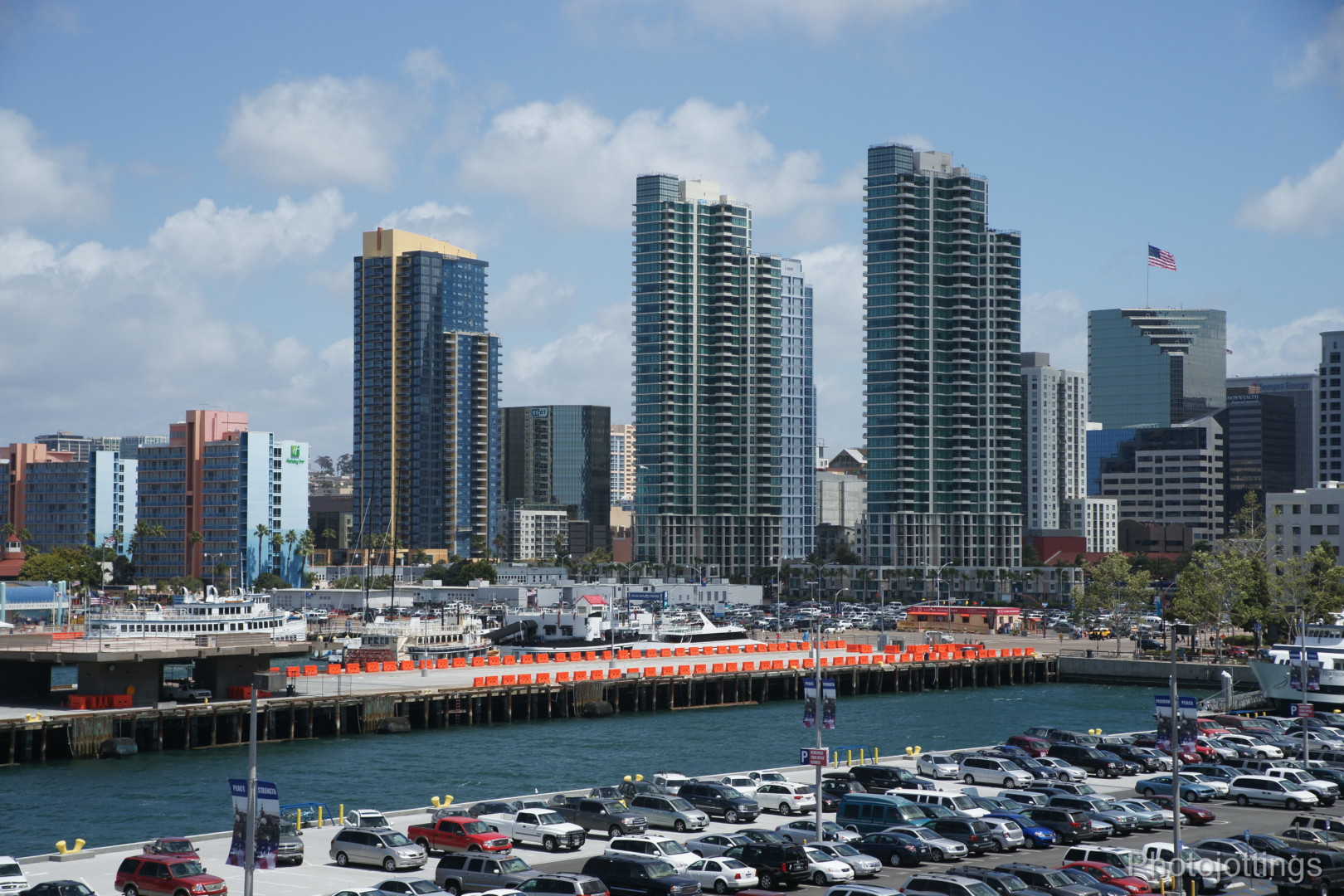
  • City View 70mm F/8
  • Sea Gull 105mm F/4.5
  • Friendship 24mm F/8
  • White Building 30mm F/8
  • Lighthouse 105 F/11


Click yellow tabs Below to download the full size images.

Harbor Rock Island Palms Boats Bay Club Sea wall Rock climbing Harbor overlook City view Sea Gull Friendship White Building Lighthouse

Overall, I think the old lens would suit me just fine, it worked well back then on a 24mp camera, and the current crop of cameras are still between 24mp, or 42mp.  If you don’t have a whole lot of money, and just want a good lens with a nice zoom range like this, I would definitely recommend it.

Check out my original Minolta/Sony 24-105mm F/3.5-4.5 review from 2007. I’ve updated it with the new photo gallery and full size samples.  Note: always go to Photojottings when checking out anything from kurtmunger.com because I only update from Photojottings. Everything from the old site is frozen in time!

While I have no doubt the new Sony 24-105/4 will be an optical marvel, it’s also very expensive, and is significantly larger and heavier than the old Minolta/Sony lens. Heck, even when figuring on the large auto focusing adapter for using ‘a’ mount lenses to ‘e’ mount cameras, the little Minolta/Sony lens is still a smaller and lighter package!

Check out the Minolta/Sony 24-105mm F/3.5-4.5 lens on eBay and help support the site, thanks!

see larger image here

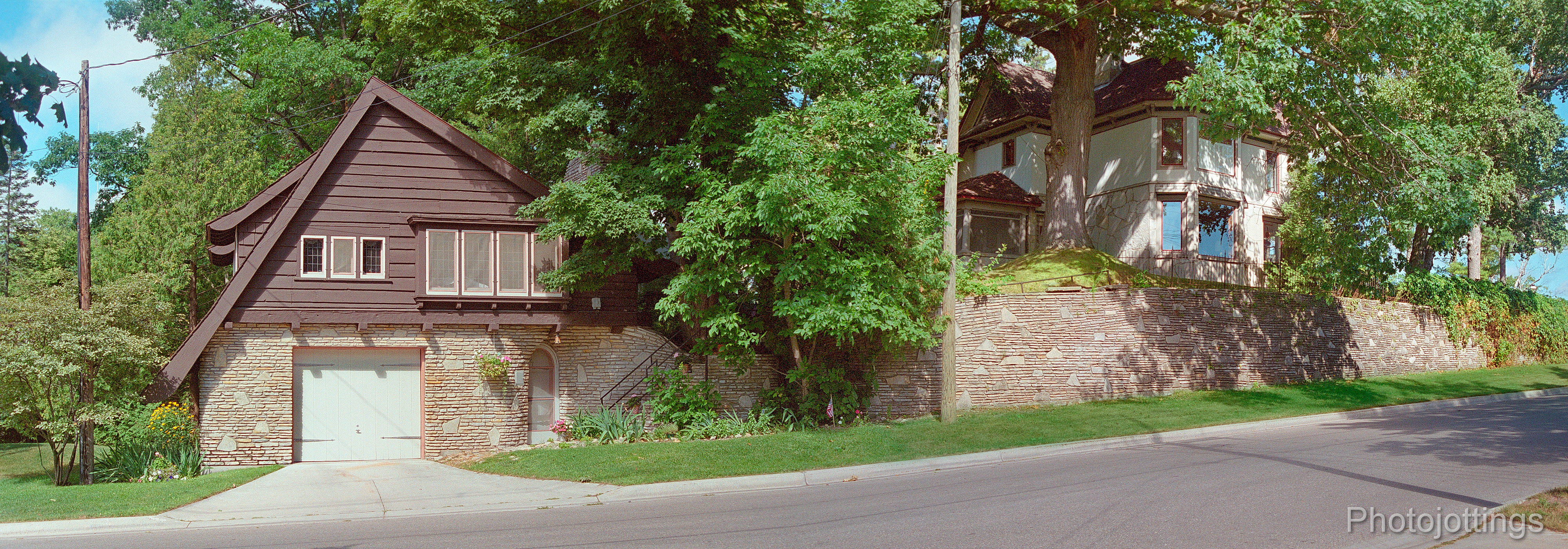
Here’s a two-shot film panorama I took years ago showing a stone wall from the lower level of a home, extending to the adjoining property as a retaining wall.  I thought the use of materials and design were pretty cool, that’s why I took the snaps. This is another Charlevoix Michigan neighborhood scene, more from this series here and here.  Supposedly, the home on the left was built on the foundation of the barn for the famous Earle Young masterpiece and original ‘mushroom’ home.

This photo was stitched together in photoshop and then cropped.  Back in the day I simply used a divider in the picture frame after cutting the prints to make them line up correctly.

The camera was a Minolta 7000 with kit 35-70mm F/4 lens, review here, (check eBay) probably at 35mm, using Kodak Gold 100 film, and recently scanned with a Nikon Coolscan 9000.

Here are a few samples from Fuji’s Superia ISO 1600 film (B&H Amazon eBay).  When shooting with film this fast in 135 format, you can pretty much count on some grainy images and low resolution; so my expectations were low from the get-go, and obviously it’s the first time I’ve used this film. However, after a quick scan of the negatives, I was surprised at the quality.  Grain is noticeable, but not objectionable in my opinion, and the color held up well too. Also noticeable is the excellent exposure latitude.  This isn’t cheap film, it’s almost $10 in the US for a roll of 36. Of course, developing is standard C-41, so any reputable film developing lab can do this.

Below are some full size samples, all hand-held using a small Nikon 35Ti point and shoot camera.


  • Very dark here, F/2.8, camera and boat movement.
  • F/4
  • Probably F/11 here
  • F/2.8, quite dark here
  • flash on, F/2.8
  • F/2.8, window shopping


Click yellow tabs Below to download the full size images. All are 3000 pixels wide on the long end, which is plenty to show the full resolution, nothing extra is gained by scanning at a higher rate.

I accidentally hit the ‘panorama’ switch on the Nikon 35Ti I was using, so it went into the idiotic slit-pan mode and about half my images were cut in half, next time I’ll tape over the switch. I think the switch moved as I pulled the camera out of the bag with other stuff crammed in.  When in panorama mode, the camera cuts off the upper and lower parts of the image using metal blades, it does not extend the image horizontally for a capture area like a Hassleblad  Xpan.

Harbor boat scene it was really dark out, and I tried to steady the camera on a railing, I did a decent job holding the camera for a second or two, however, the shutter speed was long enough that the boats are blurry as the waves came in. F/2.8, about 1-2 seconds.

Green Pier scene the sun was down for several minutes. F/4 and probably about 1/30 sec shutter speed, the person walking is not blurred.

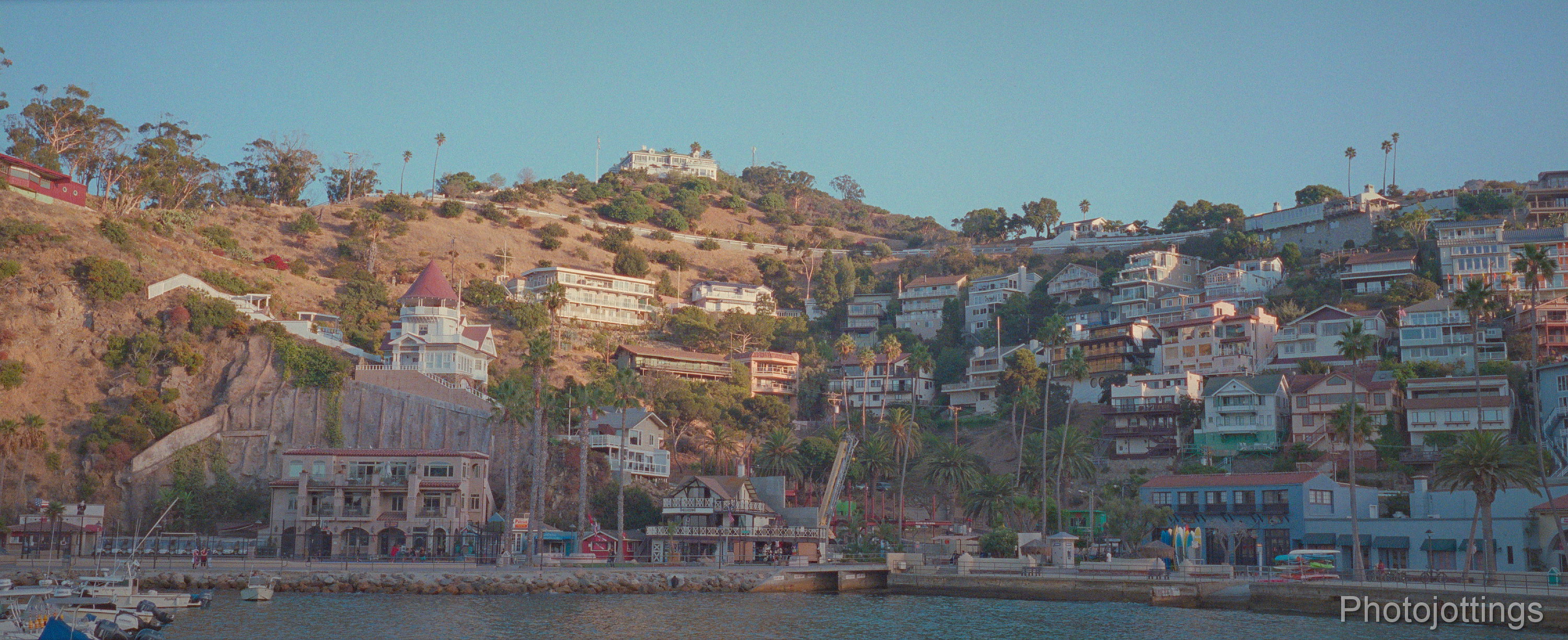
Hillside homes sunny scene with a shutter speed of 1/250s, and about F/11 so maybe a couple stops over exposed.

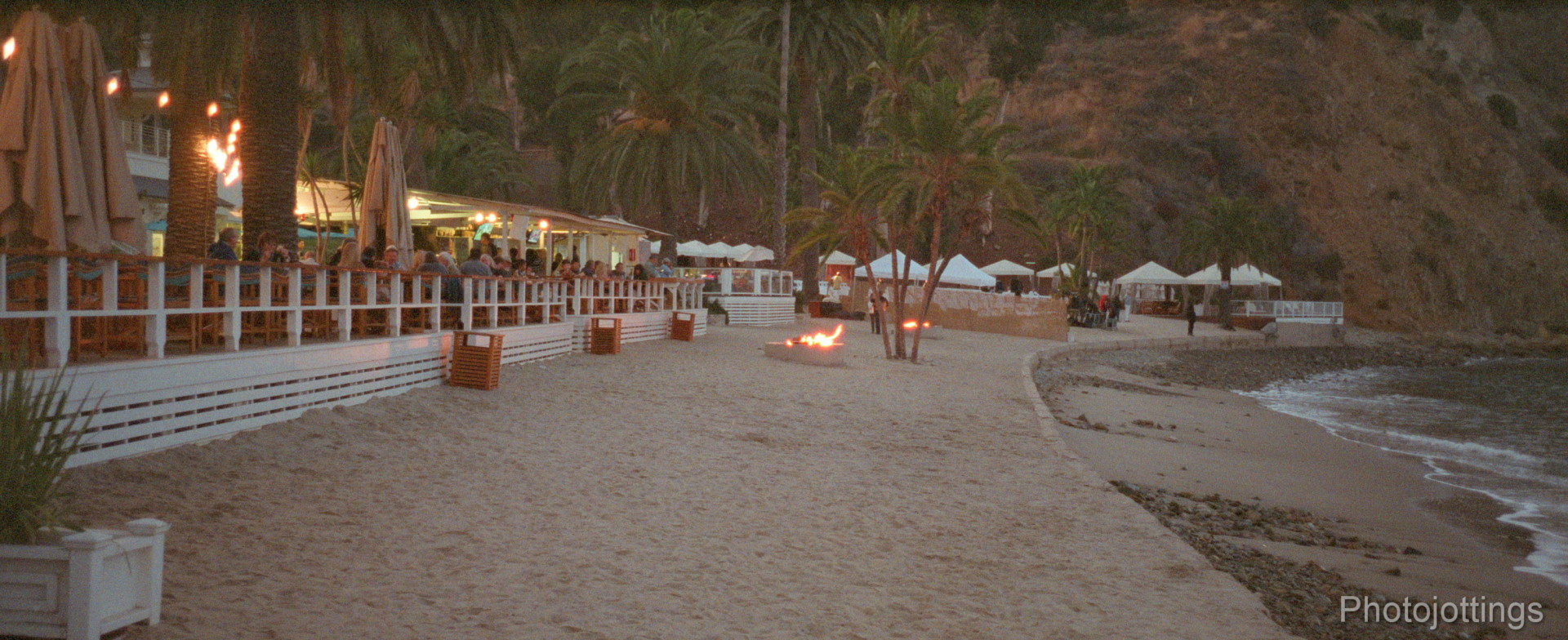
Beach and fire  It’s dark enough here to see the bonfire shadows from the trash cans on the boards below the fence. F/2.8, 1/30.

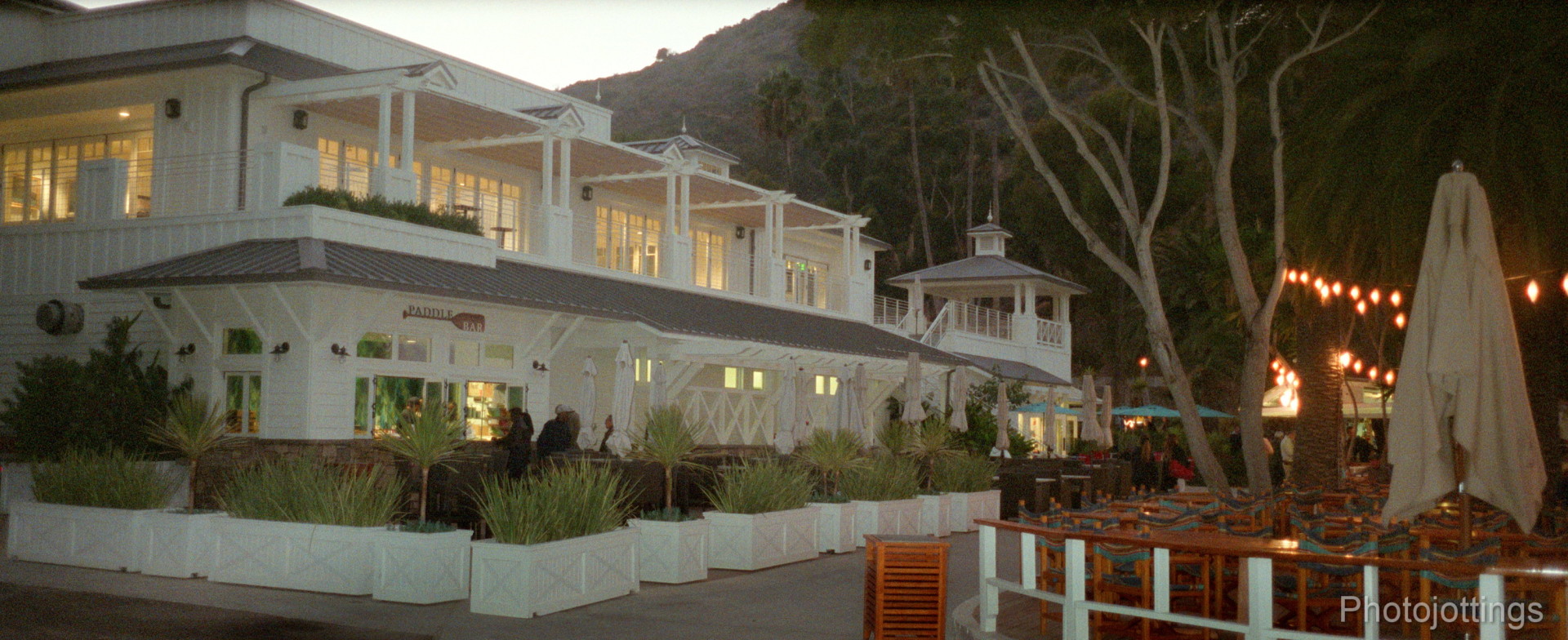
Resort house I used the flash on this one, and it lite up the center planters and tables to the right fairly well. After sunset dark shot. F/2.8, 1.30s with flash.

Jellyfish lamp  Window shopping here. Lamp about 4-5 (1.5m) feet away, nice blurred background. F/2.8, 1/30s.

I’m impressed with this film, it’s great for hand-held use with 35mm cameras, as I said in the beginning, it looks pretty darn good for this small format negative, I wish they made it in 120/220!

Try some of Fuji’s Superia ISO 1600 film (B&H Amazon eBay) and help support the site, thanks!

white sheet for camera

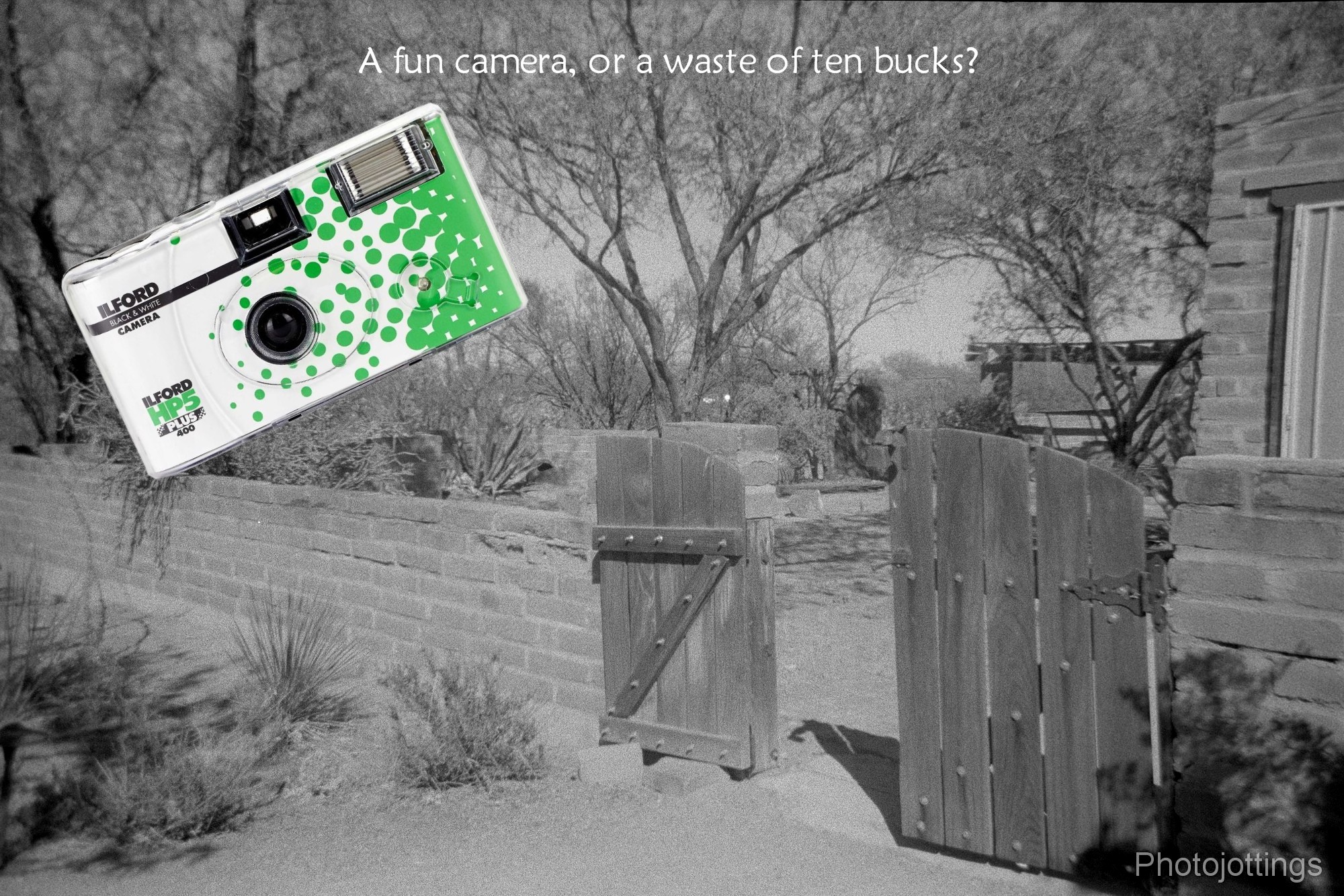
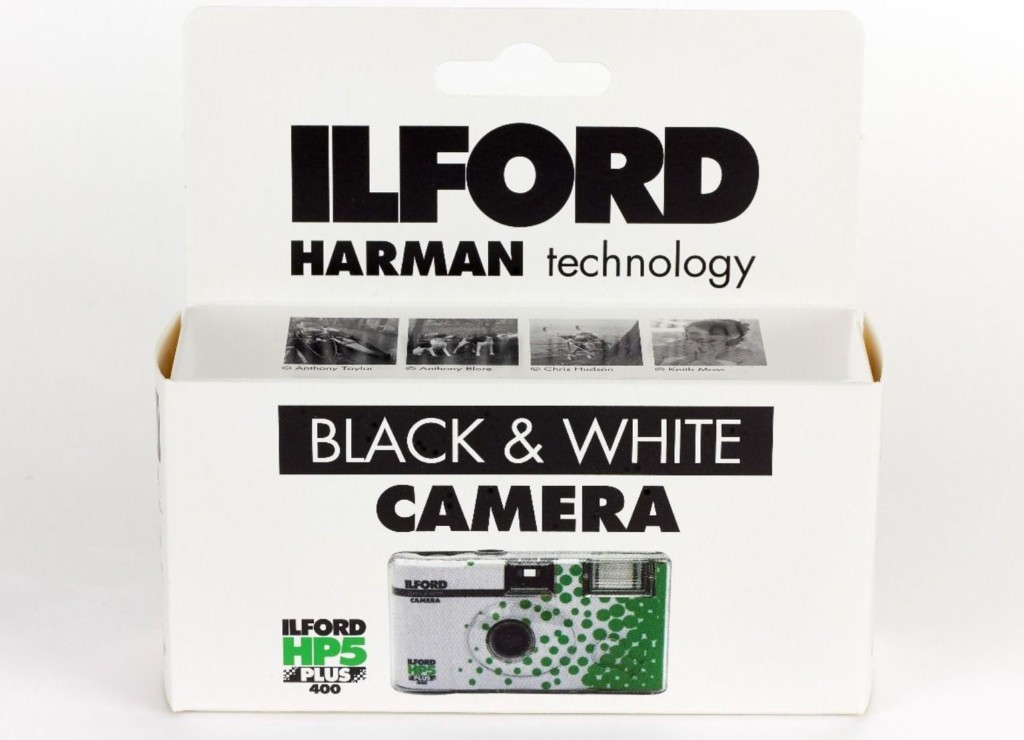
Our review camera today is the ILFORD HP5 Plus 400 single use camera  (B&H Photo, Ebay, Amazon) which comes loaded with ILFORD HP5 400 black and white film.  Apparently this is ILFORDs attempt to enter the ever-dwindling single use camera market currently dominated by Kodak and Fuji; if so, Kodak and Fuji have nothing to worry about.  These simple little film cameras are supposed to appeal to customers that want something different, and fun.  Some folks may have fun with a really cheap quality B&W camera, and some folks will be angry that they wasted ten bucks.  Based on the results I received, I’m among the latter.

Shall we do a quick walk-around of our review camera?

Film type; black and white HP5 Plus 400.  This is somewhat of a ‘classic’ B&W film with noticeable sharp grain, however, I do not care for this film. When I shoot roll film B&W, it’s almost always the very smooth Fuji Acros, or ILFORD Pan F Plus.

Cost; around $9-$11 for one.  I’m not aware of these coming in a multi-pack.

Comes in a cardboard box, camera is sealed in a clear plastic wrapper, instructions are on the box.

Lens: according to ILFORD; approximate focal length, 30mm, approximate fixed aperture; F/9.5. Fixed shutter speed averages about 1/100 sec.

Flash recharge time is lengthy, but power seems pretty good, see interior flash scene below.

Number of exposures: ILFORD uses their HP5 Plus 400 film which is marketing by itself as 24 exposures per 35mm cartridge, but loading in a darkroom as they do when making the camera yields 27 images.  You can get 27 images on any roll of 24 as long as you can load the camera yourself in the dark and do not have to advance it to the first shot mark; however, with motorized auto loading cameras, you probably won’t get any more than 25.

Sample photo gallery

  • ILFORD HP5 Plus 400
  • Fuji quick snap 400 color sample desaturated
  • ILFORD HP5 Plus 400
  • ILFORD HP5 Plus 400
  • ILFORD HP5 Plus 400 no flash
  • ILFORD HP5 Plus 400 with flash

Here are some test pictures from negatives scanned using the Nikon Coolscan 9000.

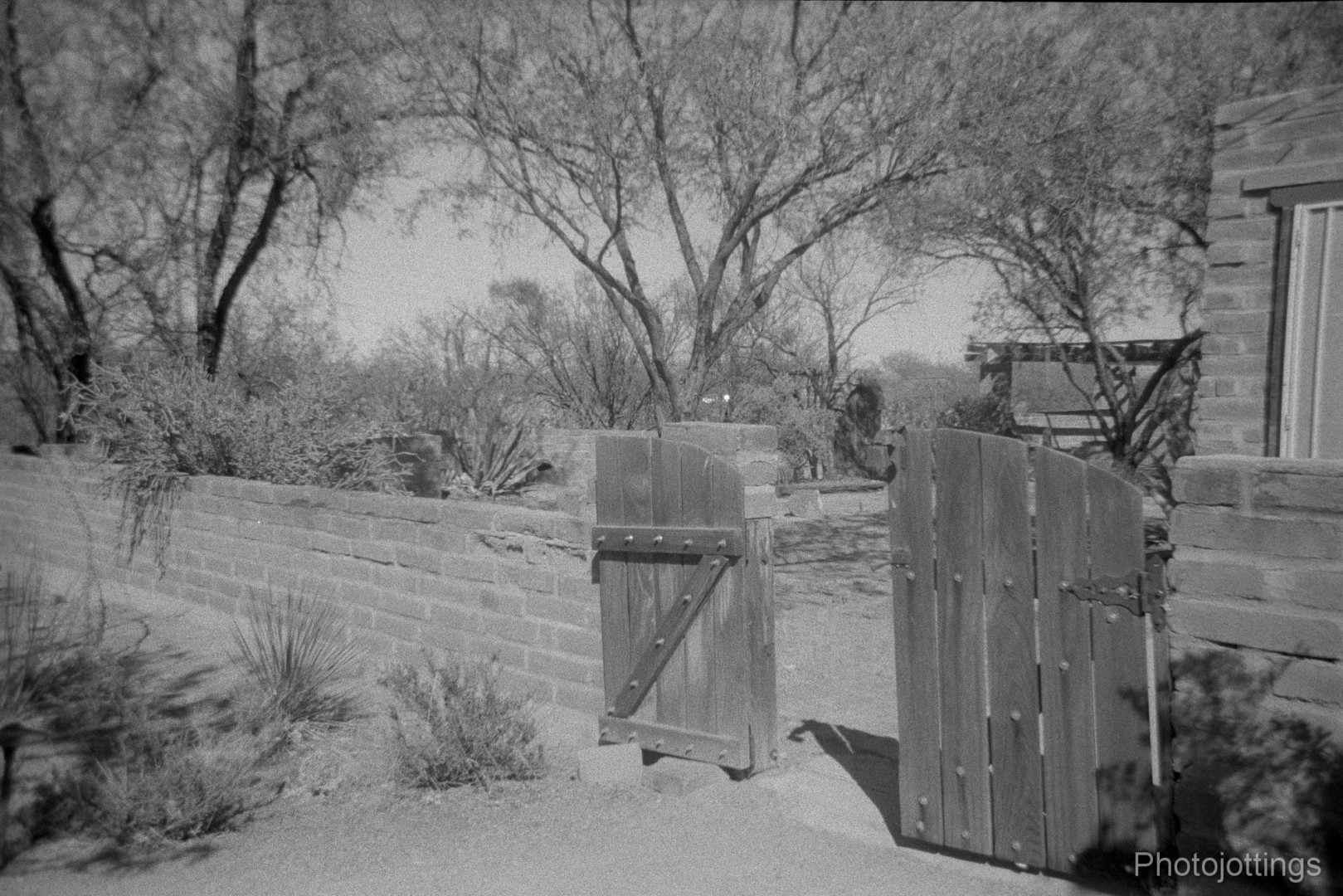
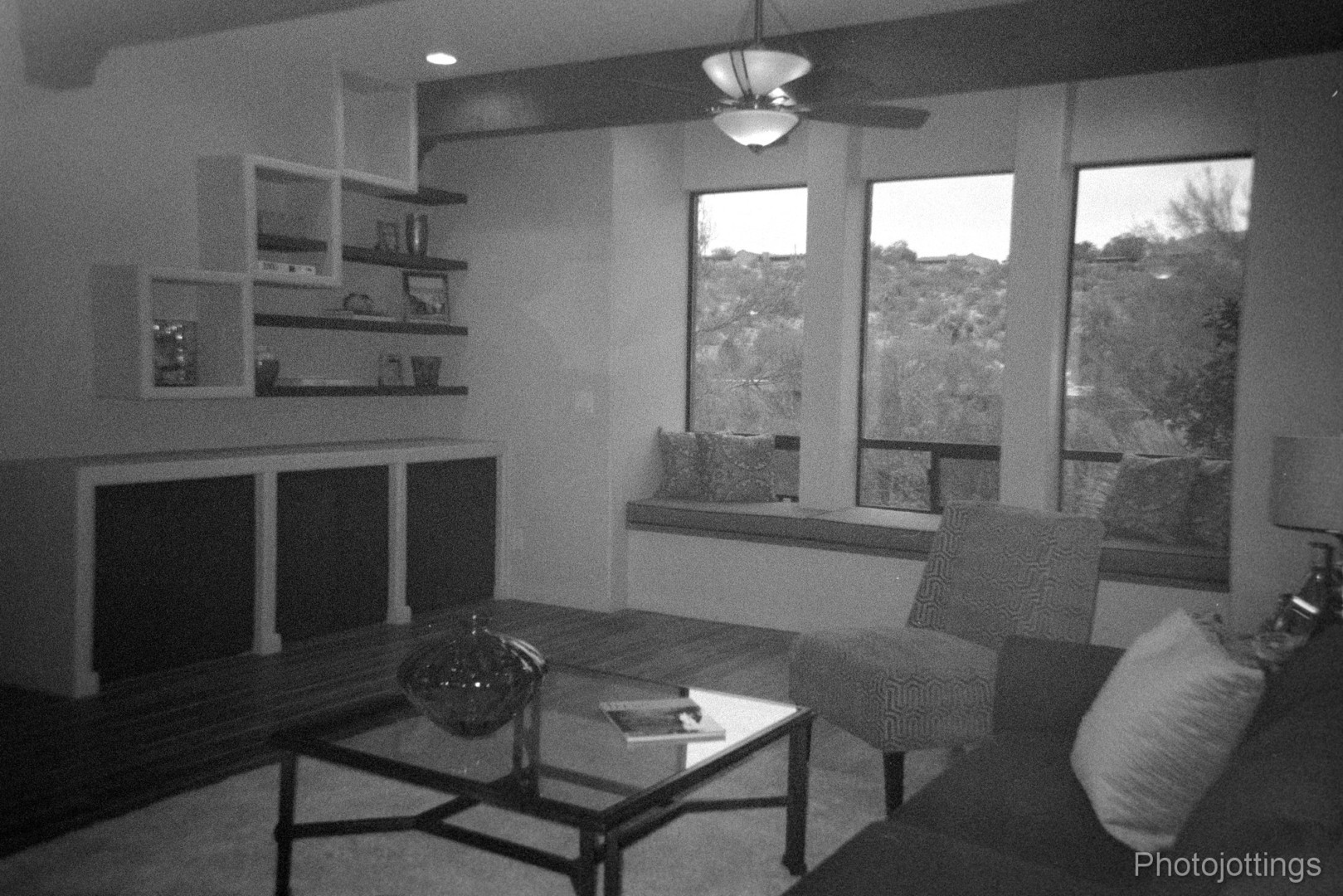
These samples are 2000 pixels wide, and about as good as you get from this camera, larger images do not show more detail. The centers are pretty sharp, but the sides are really soft, and that goes for all the images. The exposures are decent, but for my taste I’d like to see brighter exposures, the shadows don’t show a lot of detail, and this is considered medium contrast film.  The second shot is from a Fuji Quick Snap single use camera with color 400 film, I converted it to B&W for comparison here. I like the Fuji film better, it’s smoother with less softness along the sides. The last two shots show how dark an interior is with bright windows, however, the flash does a good job of lighting this fairly large room up.

Unfortunately, what you see here are the best from the 27 pictures. Most are very blurry around the periphery, even more so than the Fuji and Kodak model reviewed here.  I don’t care for the film, or the quality of the lens from the ILFORD HP5.  I assumed all these disposable camera lenses were basically the same, but apparently not!

Get a camera from ebay for the same price as this one that will accept different film, or one that is about the same size but with much better photo quality.

Bottom line: get a Fuji or Kodak single use camera (B&H Photo, Ebay, Amazon) and convert the images to B&W if that’s the look you want; the quality of both the film and lenses are much better in my opinion.

Do you really want to spend $10,000 USD on a few good lenses to put on your $3000 full frame body?  If you’re going to buy the 35/1.4 Zeiss, 50/1.4 Zeiss, 85/1.4 GM, 24-70/2.8 GM and 70-200/2.8 GM lenses, plan on spending just that!

I’m not going to spend that much, even though I run a photography business and can afford to buy every lens in the Sony line-up.  Why would I not buy the best lenses  since I do use the equipment every day?  Well, because I don’t think it’s necessary. I’ve never needed more than about 24mp for any finished work, and after re-visiting my images from almost 10 years ago, I honestly can hardly tell the differences from a brand new expensive ‘e’ mount Zeiss lens from many of the old Minolta AF lens I used and reviewed years ago; so I’ve decided to go back and dig through some of my test shots and see which lenses I can recommend for the new Sony Mirrorless high megapixel cameras.  The first lens I re-visited was the Minolta AF 135/2.8, see the post below.

Currently there are some big holes in the Sony ‘e’ mount line-up, and I’ll be covering those areas first; so stay tuned for more Minolta AF lens recommendations!

Tired of paying thousands of dollars for the new ‘GM’ and Zeiss lenses from Sony?  I am!!!  It’s getting freakin ridiculous!  Let’s begin to re-visit some of the old Minolta AF lenses and see if we can get some bargains.

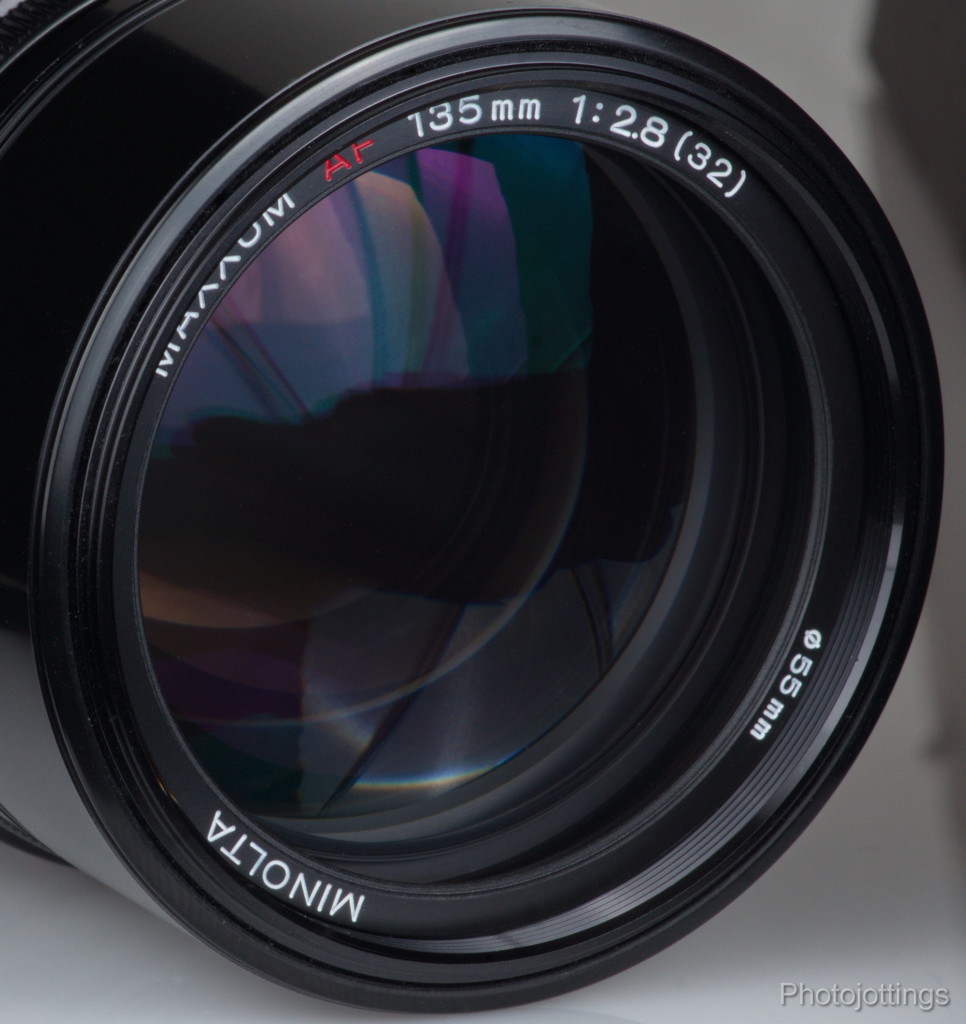
I’ve updated the Minolta AF 135mm F/2.8 review by adding some full resolution shots from the A900 and A580 cameras, go to the bottom of the review and click on the yellow tabs for each camera.

This little lens will fully function on the latest Sony mirrorless camera with these adapters, even auto focus!  This Minolta 135/2.8 offers outstanding performance for the price, eBay runs around $100-$300 USD depending on condition.

When I looked at the full size images a few days ago, I was surprised at  how good this lens performed overall.  It works surprisingly well at F/4, (it can handle a high megapixel sensor), very sharp with only a little color fringing, almost no distortion, and did I mention it’s cheap?


Rollei Digibase CR 200 film samples

Interested in turning your high quality medium format camera into a cheap 35mm? well, plop a roll of this film into your camera and get some cool low-def images!  However, this E-6 color reversal film does have some redeeming qualities for those looking for more than resolution.

Rollei Digibase CR 200 (B&H, eBay) is a color reversal (E-6 developing) or 'slide film' in hobbyist terms.  Characteristics include a warm look, which is very noticeable after using Fuji E-6 film like Velvia and provia;  a wide dynamic range, almost like print film believe it or not, and a final plus; it's pretty easy to scan as the film has almost no curl.

I like the warm look; again, it's a welcome change from the bluish Fuji films, although it's a far cry from Kodachrome as some people compare it to.  Also noticeable is the neutral fine grain which is acceptable in my opinion, but only when exposing properly, highlight/shadow fixes in post can degrade even-toned areas in the picture; see the sky in the 'tree' shot below.

I only ran one roll of this through my Fuji GS645S, which is a medium format 120 roll film camera with a wide angle 60mm F/4 lens, so this isn't a review, I just wanted to post some samples in case you were wondering how it looks with that size of film; I've only seen 35mm samples from my quick web searches.  I'm guessing I could get a sharp 8x10 with a medium format camera, unfortunately, I'm also guessing 35mm film might not produce enough sharp detail for a good 5x7 print.

For those looking for a more traditional high ISO rated color reversal film, I'd recommend Fuji Provia 400X, however, it's being discontinued in 2017, and prices are sky high.

I've been getting everything ready for the Fuji GS645S review that's coming up shortly.  It's a pretty small camera for the film size, (similar to a pro 35mm camera body), and has a full manual mode too.

Read more »

Randy Houser BTS ‘we went’ pictures

So I spent the day hiking in the nearby mountains; and got in a little picture taking along the way.  I usually take along a folding 120 camera, this time it was the Ziess Ikon Ikonta, a cheap 6x6 that my dad bought brand new in 1953.  I'm driving down the mountain heading home when I see all these cars and huge buses parked at a pull out called windy point.  It's here I usually stop and take some late afternoon and sunset pictures before it gets dark, and where this comparison was made.  This time it's definitely packed with cars and people, plus some portable generators running and what sounds like some huge speakers blasting music on the west edge of the cliff.

Read more »

Revised Sony/Minolta AF 24-105mm F/3.5-4.5 review

With the introduction of the Sony FE 24-105/4 lens, I was reminded that this is the second wide to medium zoom of that focal range for Sony; although the new one gets a new 'FE' mount, a constant F/4 aperture and OSS.  It also gets a hefty price tag of $1300!!

Our second re-visited and revised lens review is the 'a' mount oldie but goodie Minolta/Sony AF 24-105mm F/3.5-4.5 lens, (introduced in about 1999-2000), later to be relabeled 'Sony' in 2006, and discontinued in about 2008/9.  Current value on eBay seems to be $100-200 depending on condition, that's about a tenth of the price of the new lens.

The older Minolta/Sony 24-105mm F/3.5-4.5 worked very well back in the early days of digital, even though it was designed as a film lens; I used mine on the Sony A900 for several years as an everyday walk around lens, and still enjoy many of the pictures I took.  Unfortunately, I don't have the original test pictures from the review to show, however, I did come up with a selection from different focal lengths and apertures to give you a good idea about how it performs on a 24mp camera...

Read more »

Kodak Moment #5 Two for one in Charlevoix

see larger image here

Here’s a two-shot film panorama I took years ago showing a stone wall from the lower level of a home, extending to the adjoining property as a retaining wall.  I thought the use of materials and design were pretty cool, that’s why I took the snaps. This is another Charlevoix Michigan neighborhood scene, more from this …

Read more »

ILFORD HP5 single use camera review

Our review camera today is the ILFORD HP5 Plus 400 single use camera  (B&H Photo, Ebay, Amazon) which comes loaded with ILFORD HP5 400 black and white film.  Apparently this is ILFORDs attempt to enter the ever-dwindling single use camera market currently dominated by Kodak and Fuji; if so, Kodak and Fuji have nothing to worry about.  These simple little film cameras are supposed to appeal to customers that want something different, and fun.  Some folks may have fun with a really cheap quality B&W camera, and some folks will be angry that they wasted ten bucks.  Based on the results I received, I'm among the latter.

Shall we do a quick walk-around of our review camera?

Film type; black and white HP5 Plus 400.  This is somewhat of a 'classic' B&W film with

Read more »

Re-visiting Minolta AF lenses

Do you really want to spend $10,000 USD on a few good lenses to put on your $3000 full frame body?  If you're going to buy the 35/1.4 Zeiss, 50/1.4 Zeiss, 85/1.4 GM, 24-70/2.8 GM and 70-200/2.8 GM lenses, plan on spending just that!

I'm not going to spend that much, even though I run a photography business and can afford to buy every lens in the Sony line-up.  Why would I not buy the best lenses  since I do use the equipment every day?  Well, because I don't think it's necessary. I've never needed more than about 24mp for any finished work, and after re-visiting my images from almost 10 years ago, I honestly can hardly tell the differences from a brand new expensive 'e' mount Zeiss lens from many of the old Minolta AF lens I used and reviewed years ago; so I've decided to go back and dig through some of my test shots and see which lenses I can recommend for the new Sony Mirrorless high megapixel cameras.  The first lens I re-visited was the Minolta AF 135/2.8, see the post below.

Currently there are some big holes in the Sony 'e' mount line-up, and I'll be covering those areas first; so stay tuned for more Minolta AF lens recommendations!

Read more »

Revised Minolta AF 135mm F/2.8 review

Tired of paying thousands of dollars for the new 'GM' and Zeiss lenses from Sony?  I am!!!  It's getting freakin ridiculous!  Let's begin to re-visit some of the old Minolta AF lenses and see if we can get some bargains.

I've updated the Minolta AF 135mm F/2.8 review by adding some full resolution shots from the A900 and A580 cameras, go to the bottom of the review and click on the yellow tabs for each camera.

This little lens will fully function on the latest Sony mirrorless camera with these adapters, even auto focus!  This Minolta 135/2.8 offers outstanding performance for the price, eBay runs around $100-$300 USD depending on condition.

When I looked at the full size images a few days ago, I was surprised at  how good this lens performed overall.  It works surprisingly well at F/4, (it can handle a high megapixel sensor), very sharp with only a little color fringing, almost no distortion, and did I mention it's cheap?

Read more »

Scroll to Top